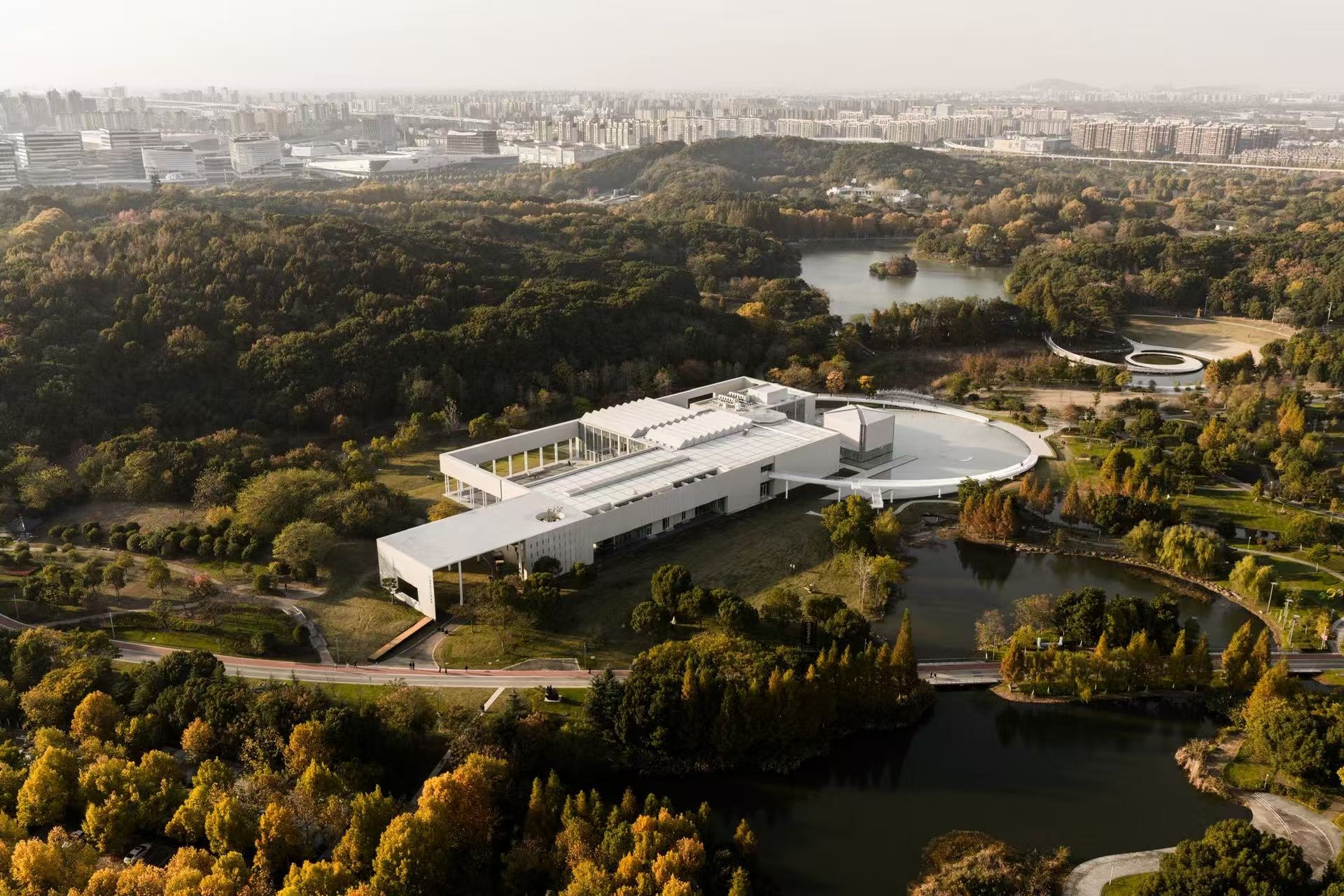
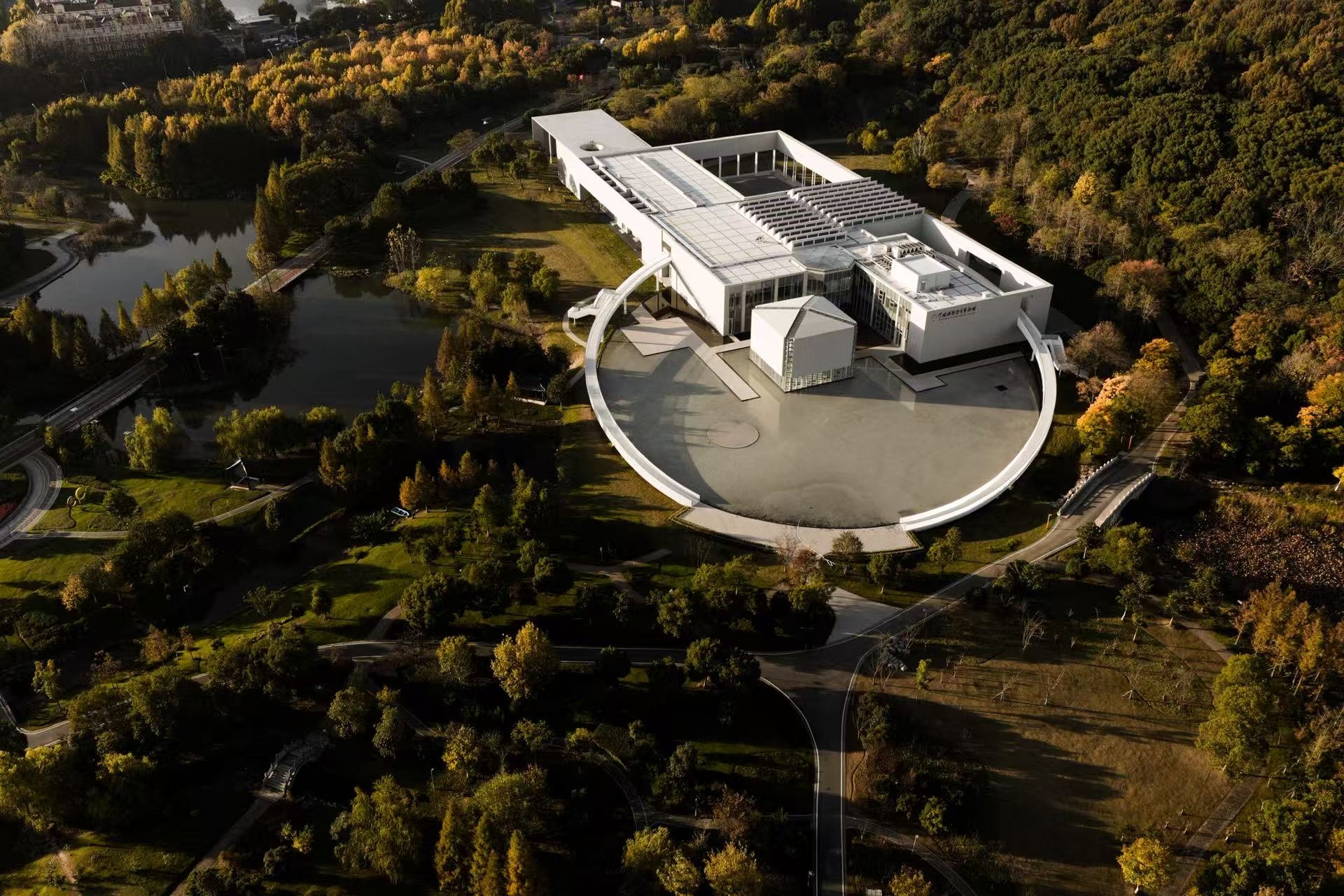
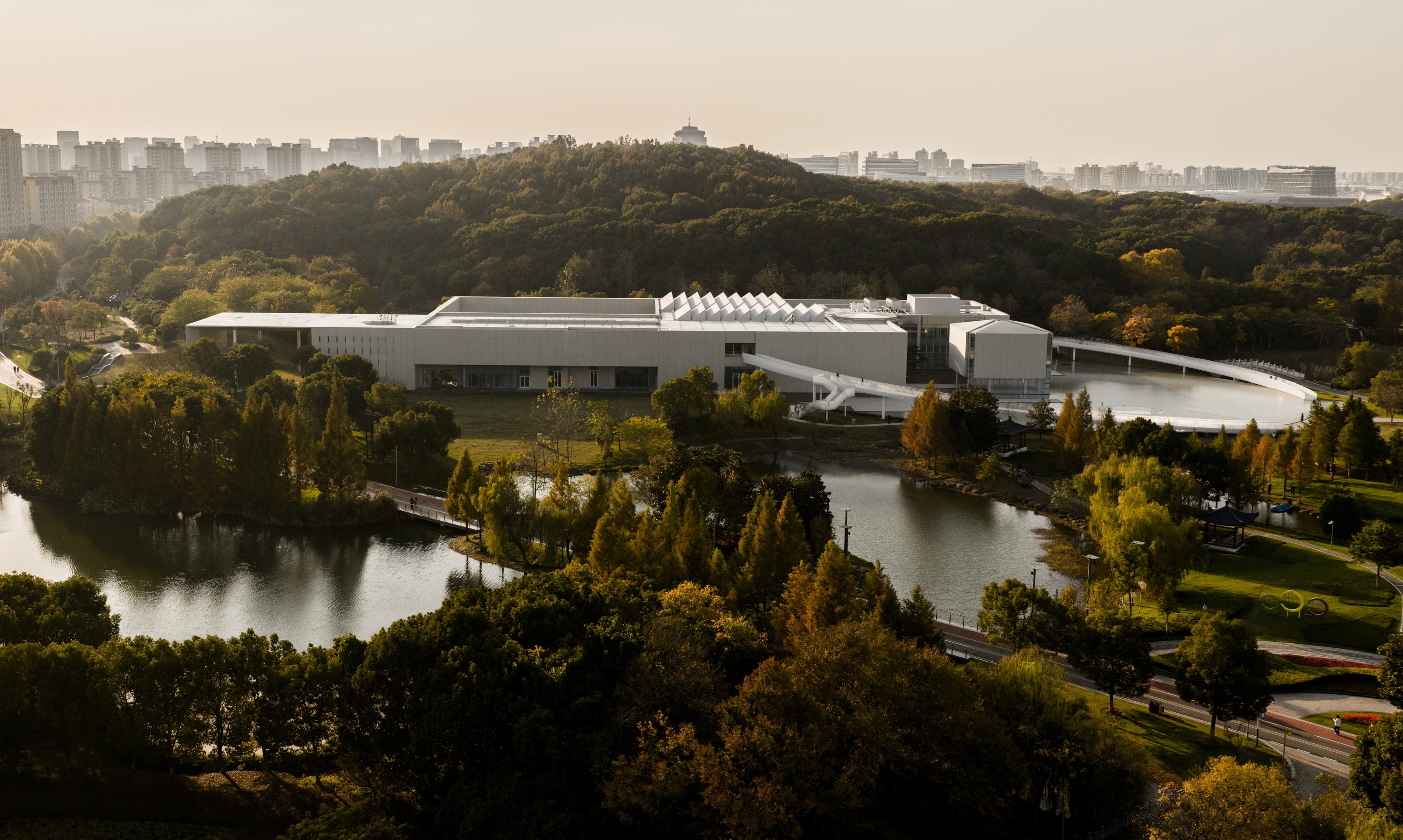
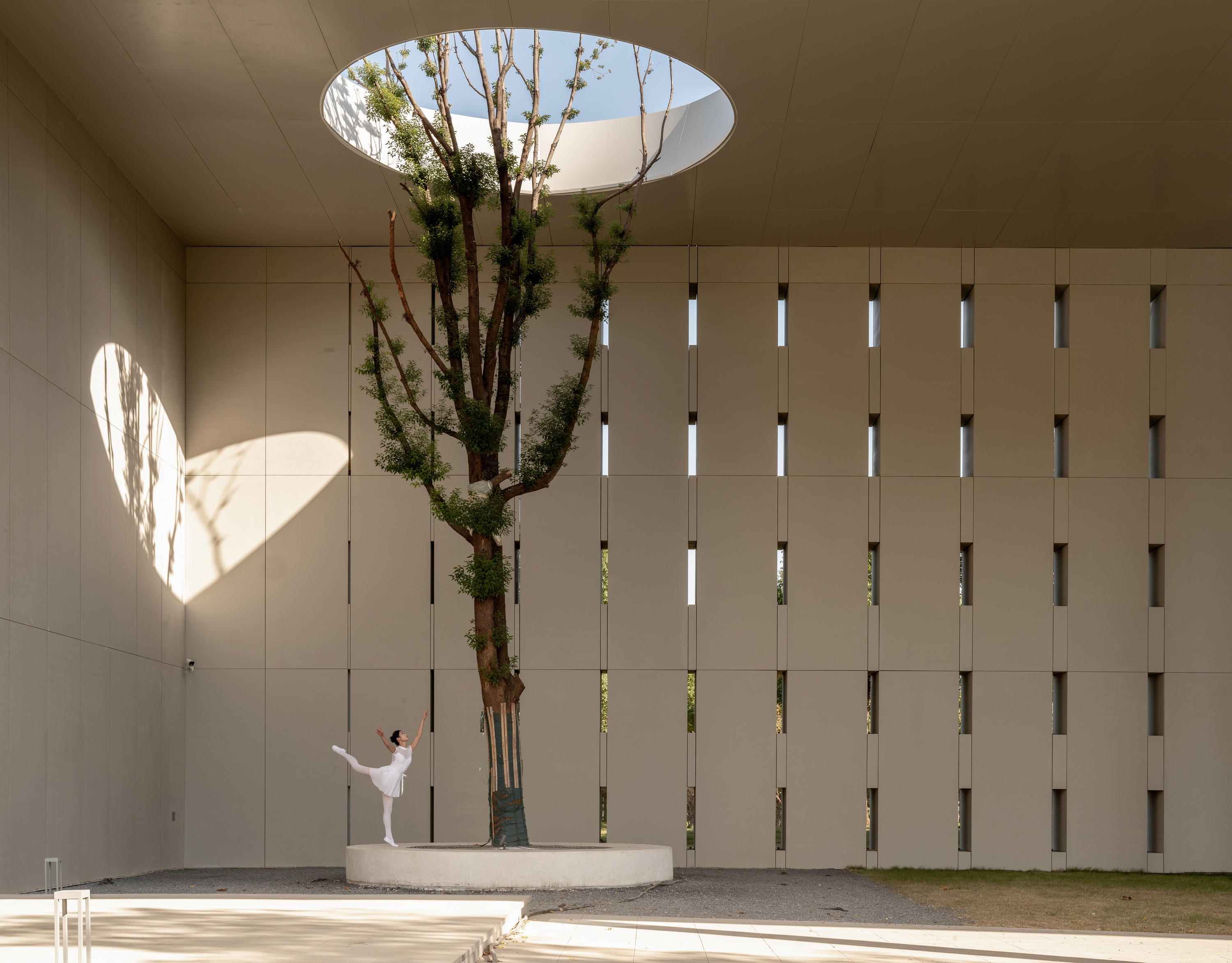
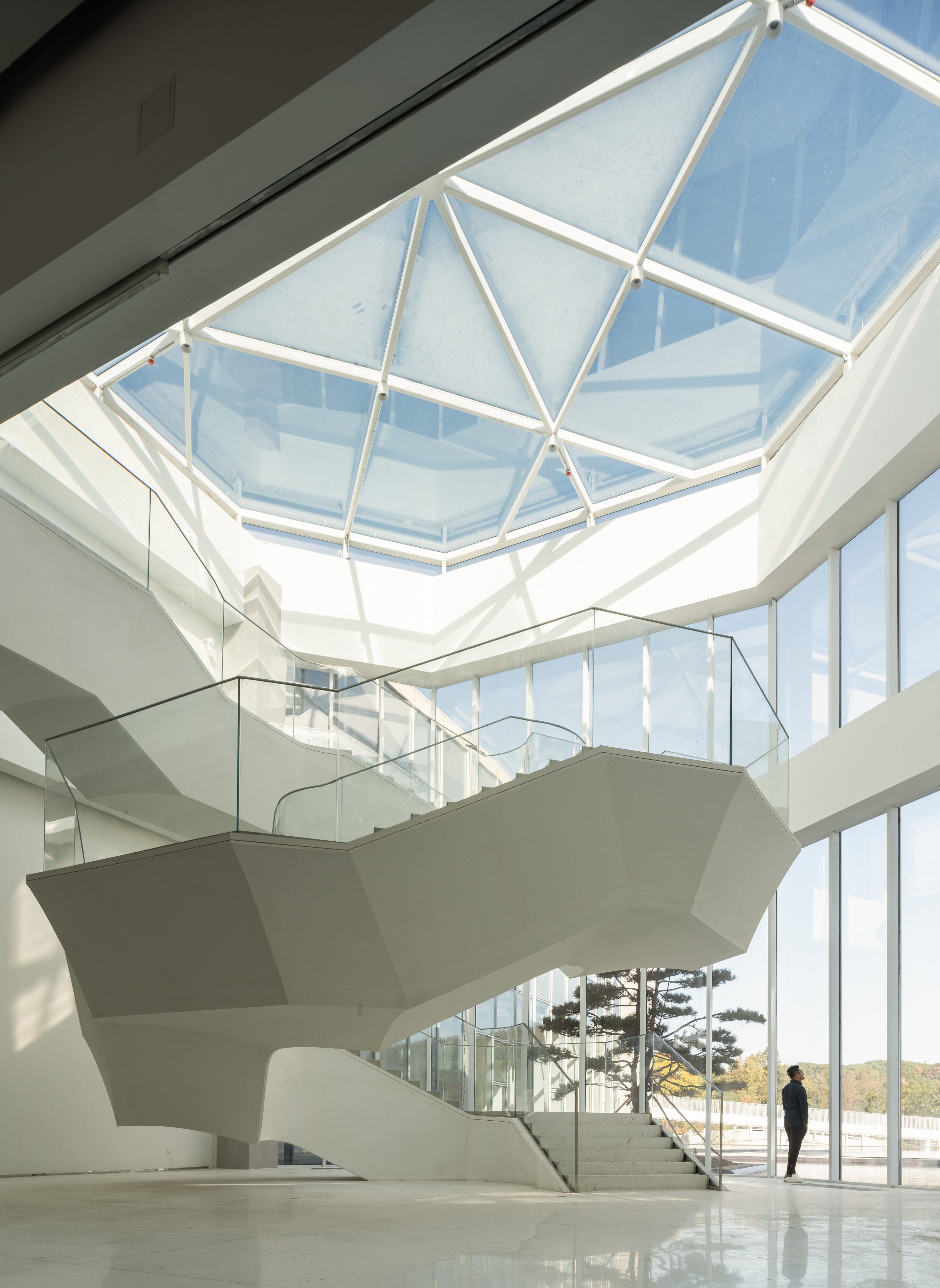
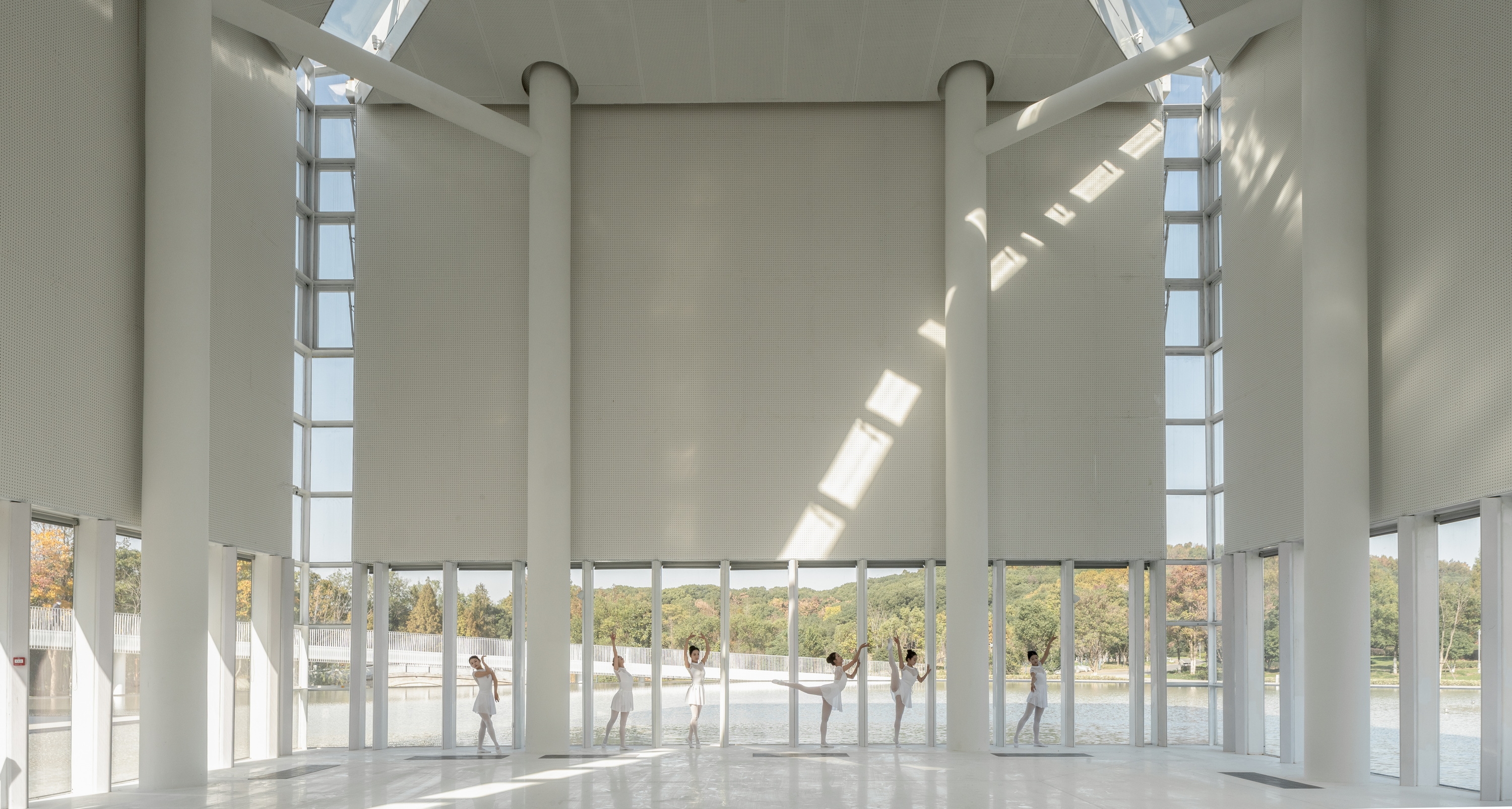
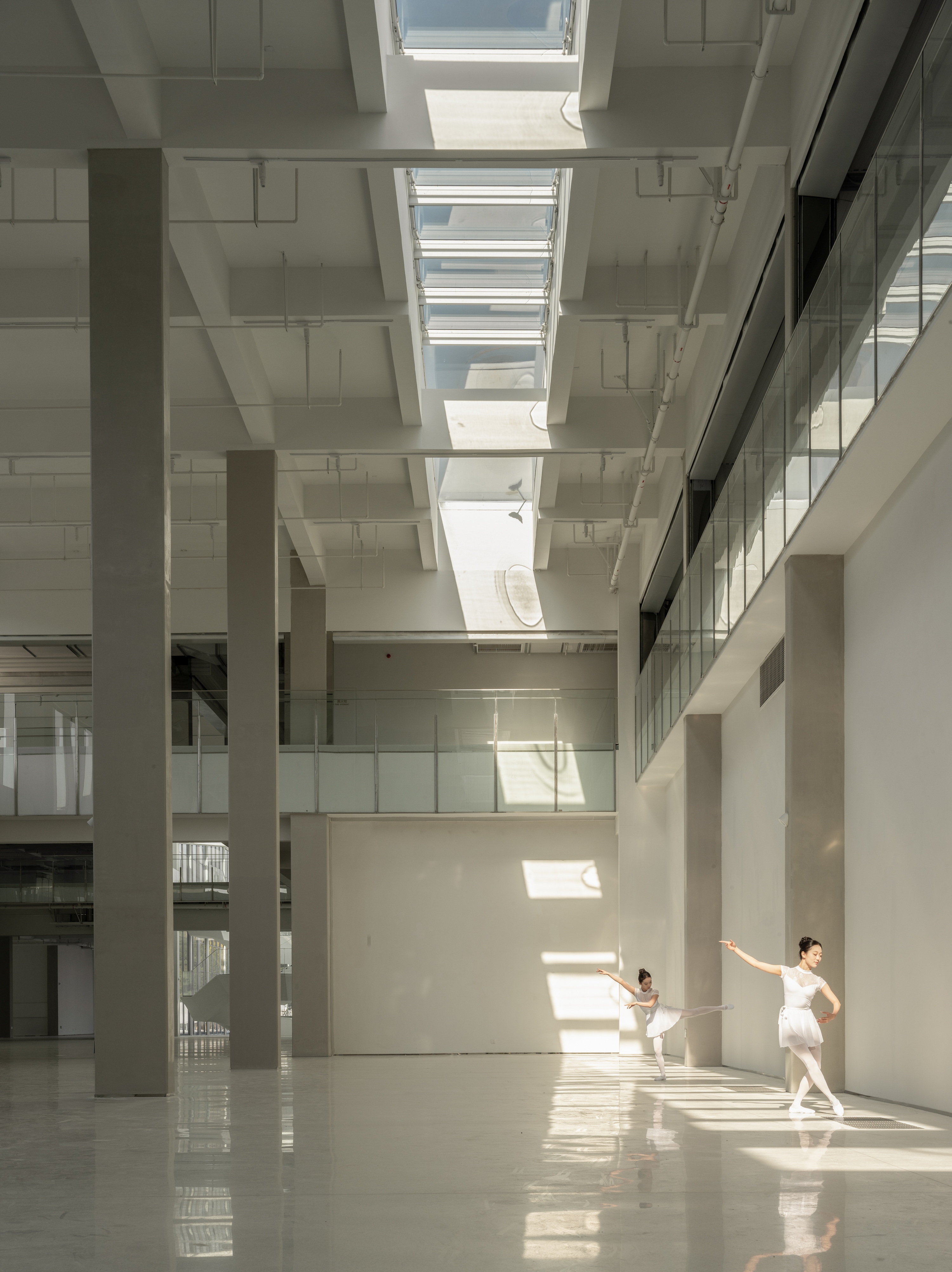
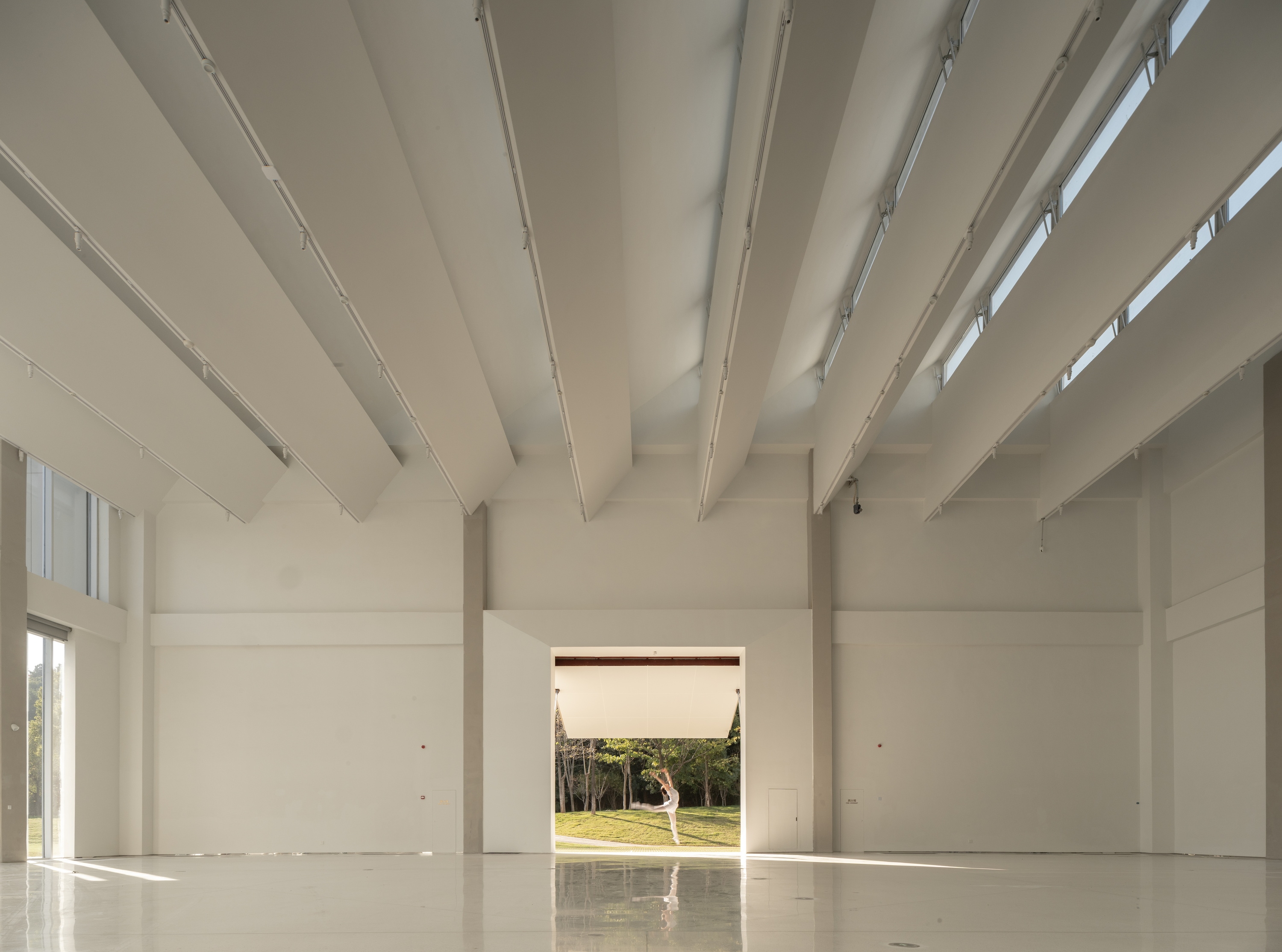
The project is transformed from an old park greenhouse. At its core lies a “modern translation of cultural genes”, the museum features five themed galleries based on the traditional Five Elements: Wood, Fire, Earth, Metal, and Water.
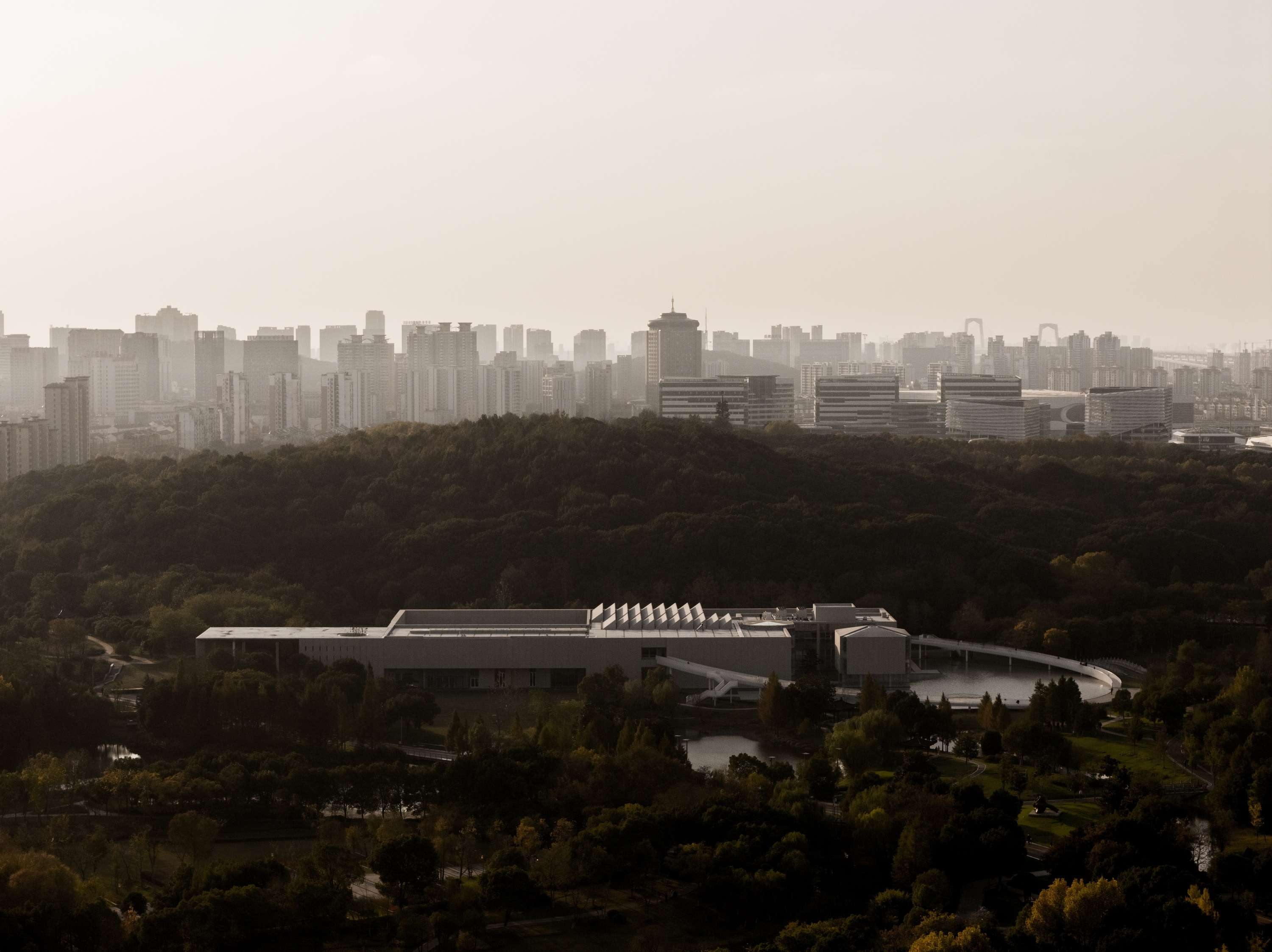
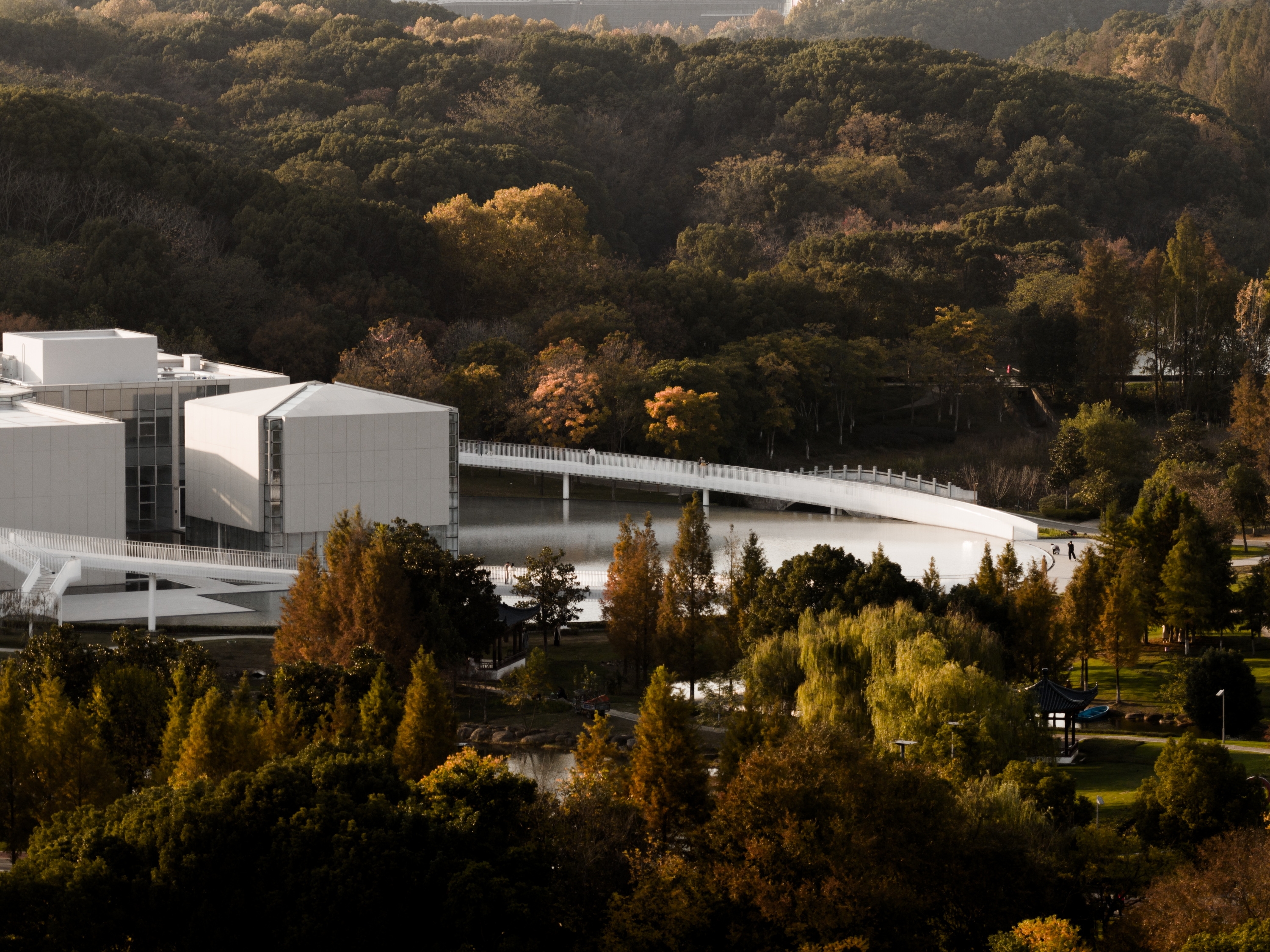
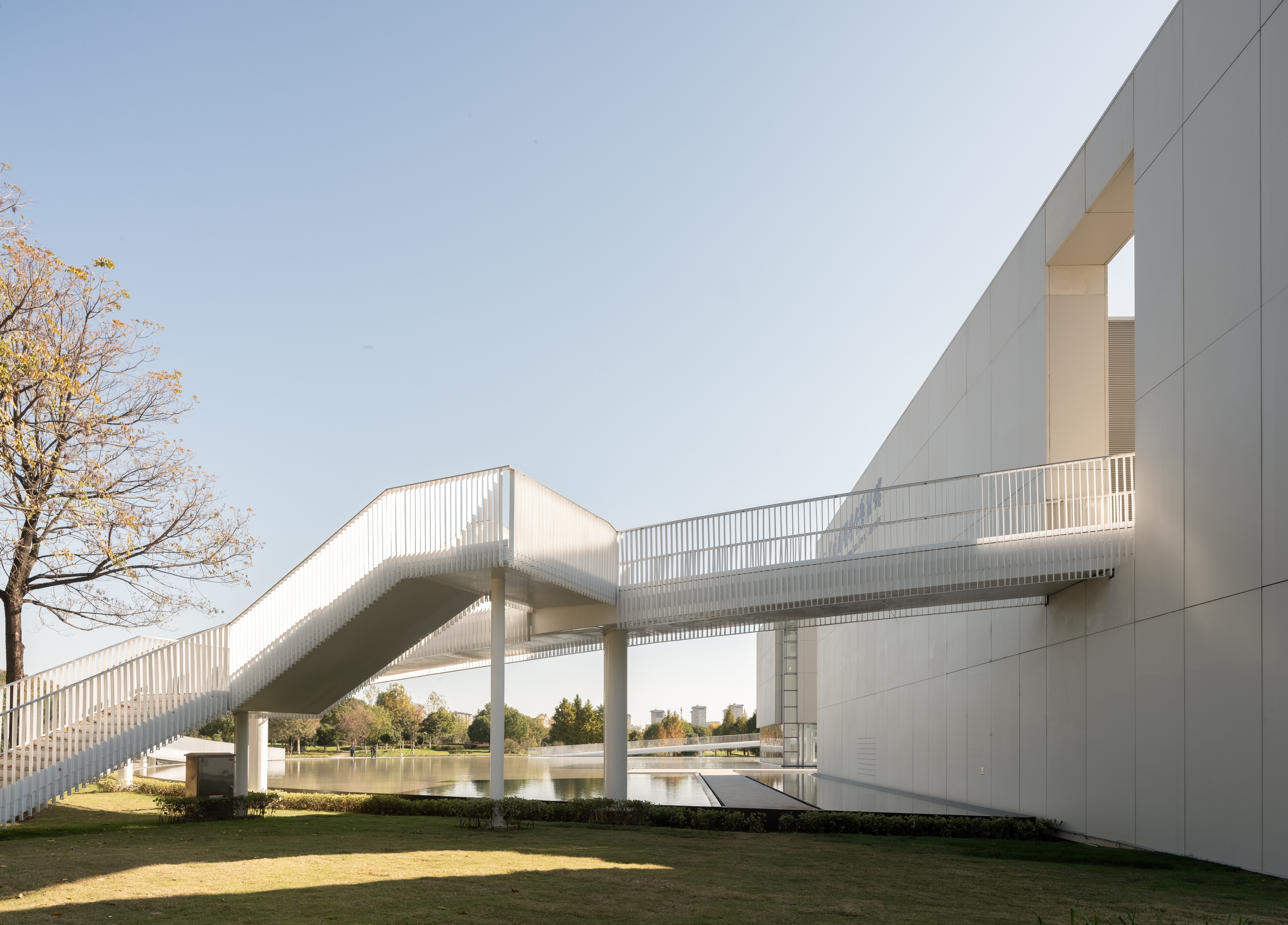
Breaking from enclosed models, the space integrates indoors and outdoors through borrowed scenery. Displays are organized into indoor halls, outdoor greens, and a water gallery. Elevated corridors offer double perspectives for large sculptures, while water gallery and circular walkways extend the journey—within the water gallery, the artworks appear to float on shimmering reflections.
The main structure utilizes a steel frame, while the façade incorporates extra-large format concrete cladding panels and high-performance triple-glazed Low-E glass curtain walls, complemented by a thick insulation system, ensures low-energy operation.
The gallery stands as the "grandest sculpture" within the park, forming a "time carving machine" with the landscape, embodies its core philosophy: only when urban spaces evolve from consumption containers into self-breathing "cultural organisms" can the sustainable development of "renewal through history" be truly achieved.